

RESTORING LOST PASTURE WITH PASTURE WEED CONTROL IN THE HILLS OF OKLAHOMA
A Case Study That Shows How to Restore a Pasture With Accurate Drone Weed Spraying
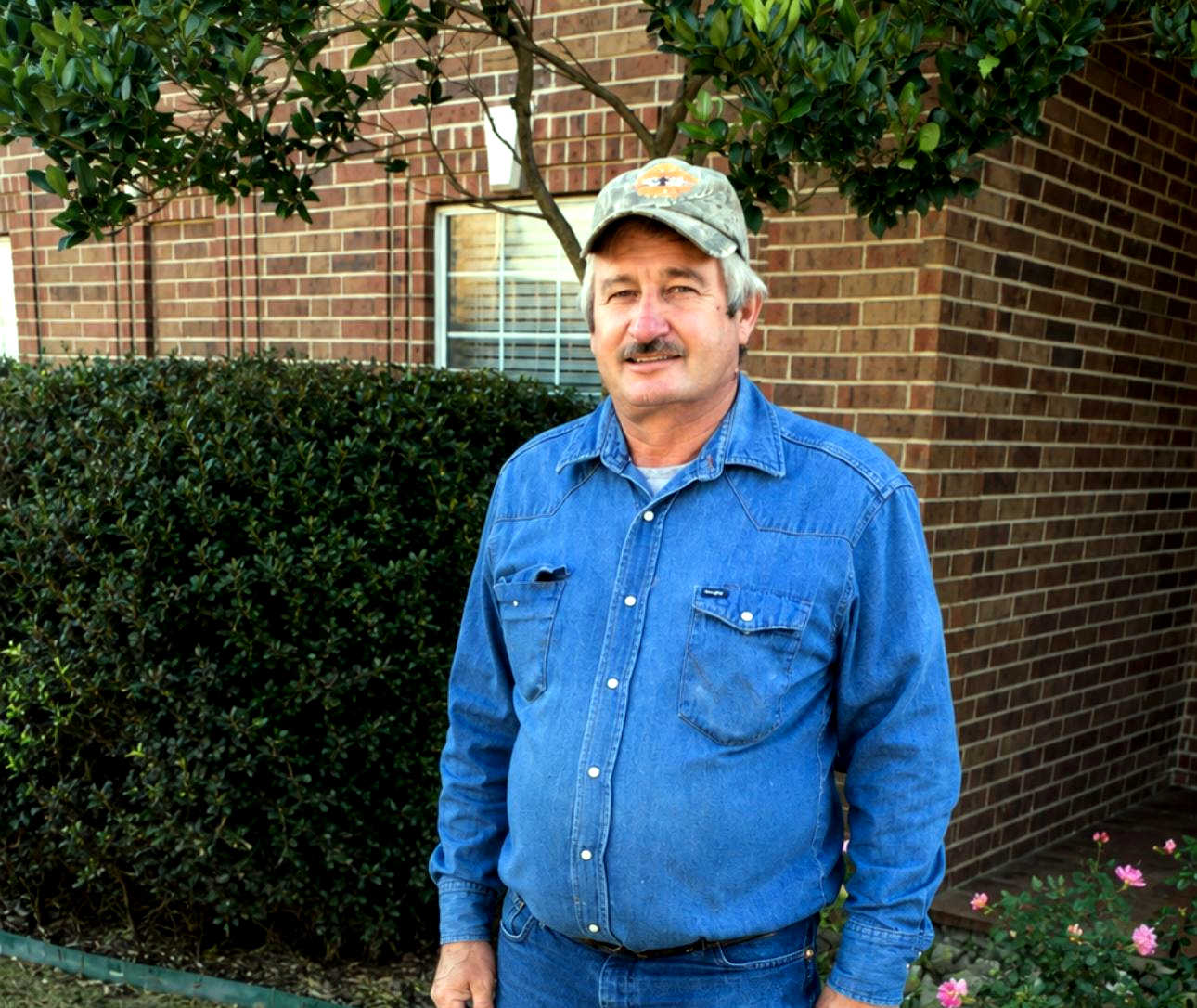
Davis Cattle Company
Client: Kevin Davis, Owner
Location: Battiest, Oklahoma
Objective: Eradicate heavy brush and invasive weeds to maximize cattle grazing acreage
The Challenge
For years, a critical section of the Davis Cattle Company ranch, known as the “Brown Section,” sat largely unusable. Persistent brush, greenbriars, weeds, and young persimmon growth had overtaken the pasture, reducing available grazing land and making it difficult for healthy grass to reclaim the soil.
For ranchers researching how to restore a pasture that has become heavily overgrown, traditional treatment methods may seem like the obvious solution. Oklahoma State University Extension also identifies weed and brush management as an important part of maintaining productive pasture and rangeland.In this case, however, the steep terrain, dense vegetation, and surrounding tree canopy made conventional pasture weed control extremely difficult.
- Conventional Aircraft Failed: The rolling hills of the Ouachita Foothills in McCurtain County, Oklahoma, combined with surrounding tree canopies, made it impossible for a traditional Air Tractor to safely fly low enough to accurately treat the affected pasture.
- Ground Rigs Failed: Attempting to drive a standard tractor and spray rig into the area repeatedly resulted in broken booms and costly equipment damage from hitting trees.
- Manual Labor Wasn’t An Option: The affected acreage was simply too large and challenging to treat efficiently on foot with backpack sprayers.
After other treatment methods proved unsuccessful, Mr. Davis was skeptical that an unmanned aircraft could navigate the tight tree lines and steep hills of the property. Tex-Air Drone was brought in to determine whether precision drone weed spraying could provide a practical way to restore pasture that conventional equipment could not safely reach.
The Solution
Tex-Air Drone
met with Mr. Davis to evaluate the property, address his concerns, explain the safety protocols involved in agricultural drone operations, and develop a customized pasture reclamation plan.
Rather than immediately beginning herbicide application, the project was completed in two carefully planned phases.
Phase 1: High-Definition Mapping
Before any chemicals were loaded, the Tex-Air Drone team conducted a detailed scouting and mapping mission using a small enterprise drone. The goal was to understand the contours of the overgrown pasture and identify the obstacles that could affect the spraying operation.
The aerial data was processed through Pix4D Fields to create a high-resolution orthomosaic map of the property. This mapping identified tree lines, obstacle boundaries, terrain elevation changes, and other features throughout the Oklahoma hills.
With an accurate map of the treatment area, the team could develop a flight plan designed specifically for the terrain rather than relying on a one-size-fits-all spraying approach.
Phase 2: Targeted Spraying
The completed orthomosaic map was then loaded into Tex-Air Drone’s heavy-payload agricultural spray drone as part of its precision agricultural drone spraying services. Using their knowledge of agricultural chemicals and proper application rates, the team deployed an herbicide mixture designed to target the persimmon saplings, greenbriars, brush, and weeds competing with the existing grass.
The spray drone autonomously navigated the complex terrain while the crew closely monitored the application. Flying at a controlled altitude above the vegetation allowed the system to reach areas that conventional aircraft and ground equipment could not safely access.
This targeted approach to drone weed spraying allowed Tex-Air Drone to treat the pasture close to tree lines and across steep terrain while maintaining precise chemical placement and reducing unnecessary application outside the intended treatment area.
For this property, technology provided a new answer to an old ranching problem: how to restore a pasture when terrain and vegetation make conventional equipment impractical.
The Results
The results of the pasture weed control application transformed an area that had previously been considered nearly unusable. After the unwanted brush, persimmon saplings, greenbriars, and weeds were controlled, existing grass was able to reclaim the soil and once again provide productive grazing acreage.
-
Maximum Forage Yield: Removing competing woody growth and weeds allowed the existing grass to recover, giving Davis Cattle Company the ability to run more cattle on the same footprint of land.
-
Zero Equipment Damage: What had been an overgrown section of the ranch became productive grazing ground again. The project demonstrated how strategic pasture reclamation can recover acreage without requiring the landowner to abandon difficult terrain.
-
No Equipment Damage: Tex-Air Drone treated areas near tree lines and across challenging terrain without putting tractors, spray rigs, or conventional aircraft into conditions where equipment damage or safety concerns had previously been a problem.
-
A Long-Term Partnership: Impressed by the team’s agricultural knowledge, work ethic, and drone technology, Kevin Davis committed to using Tex-Air Drone for future spraying needs across the remainder of his Oklahoma property. For landowners trying to restore pasture that has been overtaken by brush and weeds, this project demonstrates how mapping, agricultural expertise, and precision agriculture services can work together to reclaim productive land.
Client Testimonial
“Drones were my only option left. I was skeptical at first about whether a drone could handle these hills and trees, but the team at Tex-Air knew exactly what they were doing. Their knowledge of the chemicals was top-notch, and they got into areas nothing else could reach. Now my field is clean, and I can run more cattle because of it”
–Kevin Davis, Owner of Davis Cattle Company